

Why More Seattleites Are Choosing Downtown Living
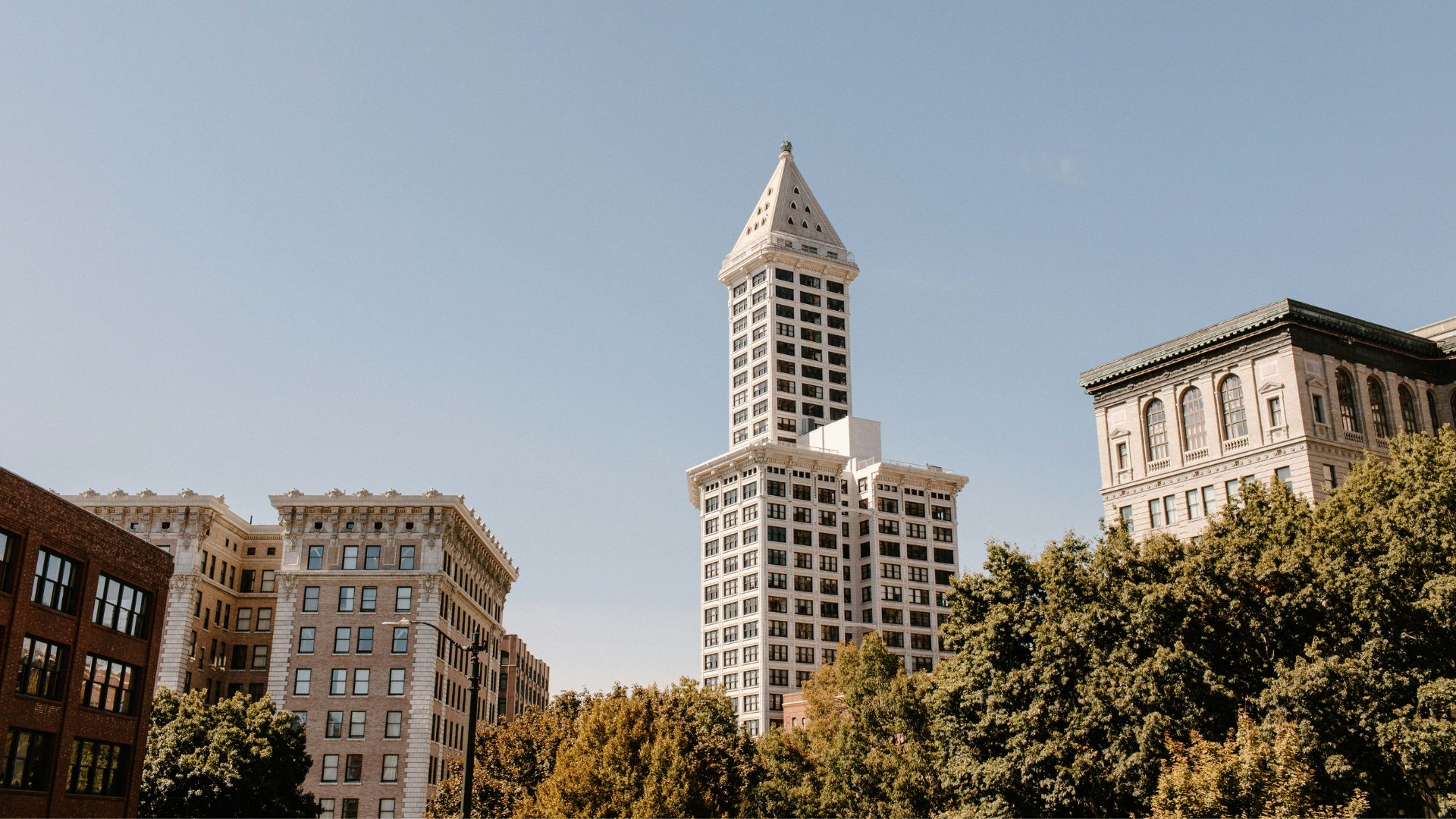
Downtown Seattle is quietly reshaping what city living looks like, and the numbers tell a compelling story. Today, more than 109,000 people call downtown home. That means roughly one out of every ten Seattle residents lives right in the city’s core, a clear sign that urban housing continues to gain momentum.
Residential development is now the main driver of downtown growth. By the end of 2025, Seattle had close to 8,500 housing units under construction across the city, and nearly 40 percent of them were located downtown. This concentration reflects a long-term shift toward walkable neighborhoods, transit access, and a lifestyle that puts work, dining, entertainment, and green space within easy reach.
Downtown residents tend to be younger and more diverse than the city overall, and they are more likely to live car-free or car-light. That trend matters. Increased housing density supports public transit, fuels small businesses, and helps create active streets throughout the day and evening. According to the Downtown Seattle Association, the past decade and a half of residential and mixed-use development has played a major role in strengthening the city’s economy and tax base while making downtown more livable.
Seattle’s population growth reinforces this momentum. The city grew by 2.2 percent last year, keeping it among the fastest-growing large cities in the country. Downtown has been a key contributor to that growth, benefiting from sustained housing production even as commercial development has slowed nationwide.
In 2025 alone, ten new downtown buildings were completed, including residential projects, a hotel, and affordable housing. Looking ahead, twelve projects are currently under construction, set to deliver additional housing, hundreds of hotel rooms, and about one million square feet of commercial space. While permit applications have dropped compared to the development boom between 2013 and 2019, Seattle still ranks near the top among major U.S. cities for active downtown projects.
The slowdown in new permits is not unique to Seattle. Higher interest rates, rising construction costs, and changes in how people work have impacted development across the country. That said, Seattle’s substantial pipeline of residential projects already underway helps cushion short-term uncertainty and keeps housing supply moving forward.
It is also worth noting that “downtown” now covers more ground than many people realize. The Downtown Seattle Association’s definition includes neighborhoods like Belltown, South Lake Union, Pioneer Square, First Hill, the Waterfront, Capitol Hill’s western edge, and even Sodo and the Chinatown International District. Each area brings its own character, housing options, and investment opportunities.
For buyers, renters, and investors alike, downtown Seattle’s growth signals confidence in urban living. While the pace of new development may ebb and flow, the long-term demand for centrally located housing remains strong. As downtown continues to evolve, it is becoming less about office towers alone and more about creating complete neighborhoods where people truly live, work, and connect.
This post was based on information found on Puget Sound Business Journal.


Windermere Real Estate / Capitol Hill, Inc. proudly serves buyers, sellers, and real estate agents throughout the Greater Seattle area.
© 2026 Windermere Real Estate/Capitol Hill, Inc.


