

How Seattle Became a Sports Town
Seattle has been keeping score for well over a century. The city’s sports history runs longer, and stranger, than most people expect, and it is stitched into neighborhoods all over the map. Here is the short version.
Before anyone called it a sports town
Professional baseball arrived in 1903, when a Seattle club helped found the Pacific Coast League. The team cycled through a remarkable run of names before beer magnate Emil Sick settled the matter and made them the Rainiers.
The city’s first championship came early and set an expectation it has never quite lived up to. In 1917, the Seattle Metropolitans became the first team from the United States to win the Stanley Cup. The franchise folded within a decade, and titles have been scarce ever since.
A few chapters tend to get overlooked. Longacres racetrack opened in Renton in 1933 with views of Mount Rainier and the only legal gambling in the state. It closed in 1992, spent a couple of decades as Boeing office space, and now serves as the Sounders’ training home. The Steelheads played a single season in 1946 as part of a Negro Leagues offshoot cofounded by the man behind the Harlem Globetrotters, a history the Mariners nod to with their cream and black throwback uniforms this year.
The sound of a Seattle summer
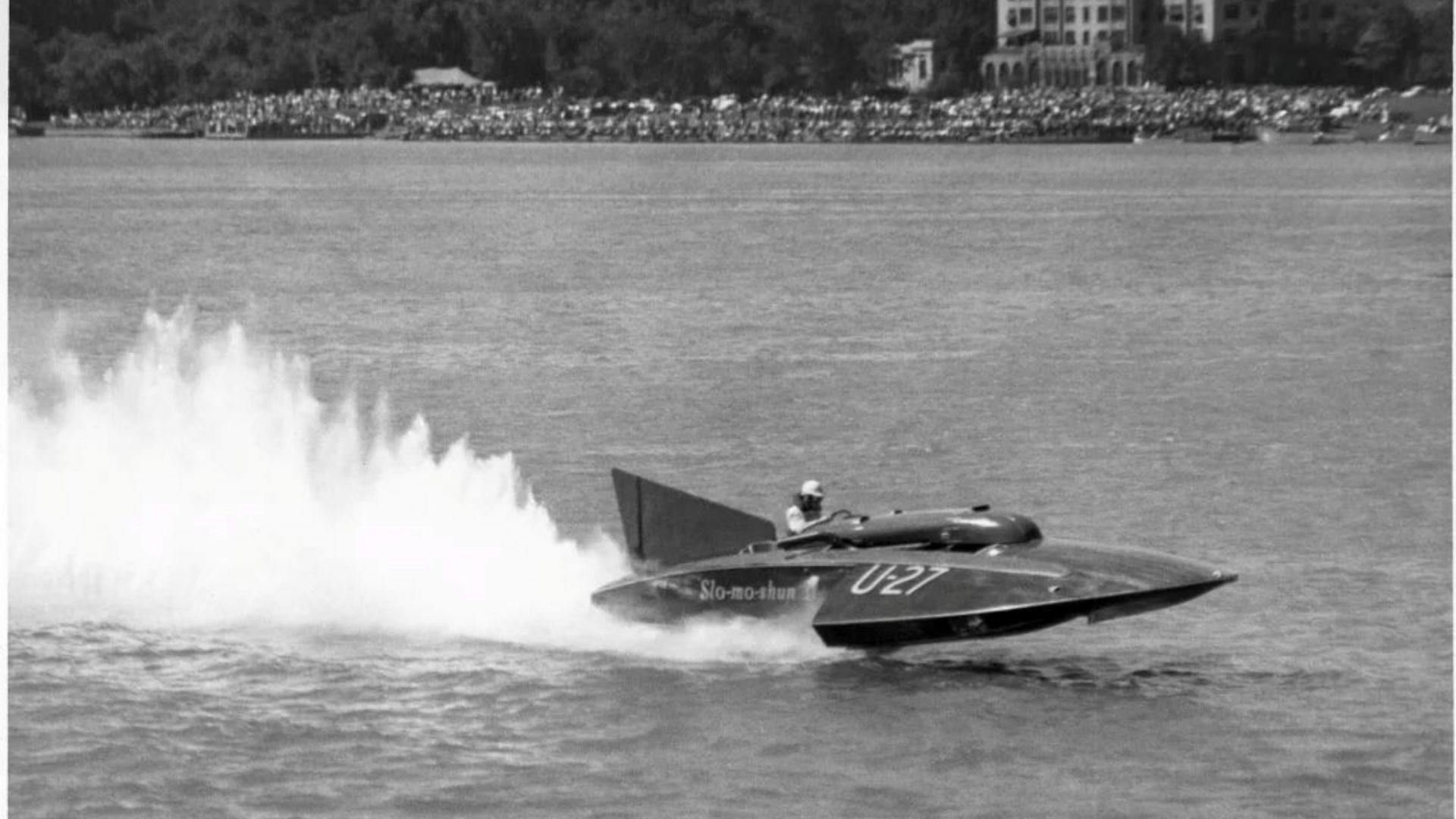
Ask anyone who grew up here and hydroplane racing comes up fast. The hydros first ran on Lake Washington as part of Seafair in 1951 and have returned every year since, often carrying the names of local businesses. Worth noting: the roar of the boats draws far fewer complaints than the Blue Angels overhead.
The modern era arrives
The SuperSonics tipped off in 1967 as Seattle’s first major league franchise and delivered the city’s first modern championship in 1979. Major League Baseball followed in 1969 with the Pilots, who lasted exactly one season before being relocated to Milwaukee by a future MLB commissioner. Soccer had its first golden age in 1974, when the original Sounders filled Memorial Coliseum.
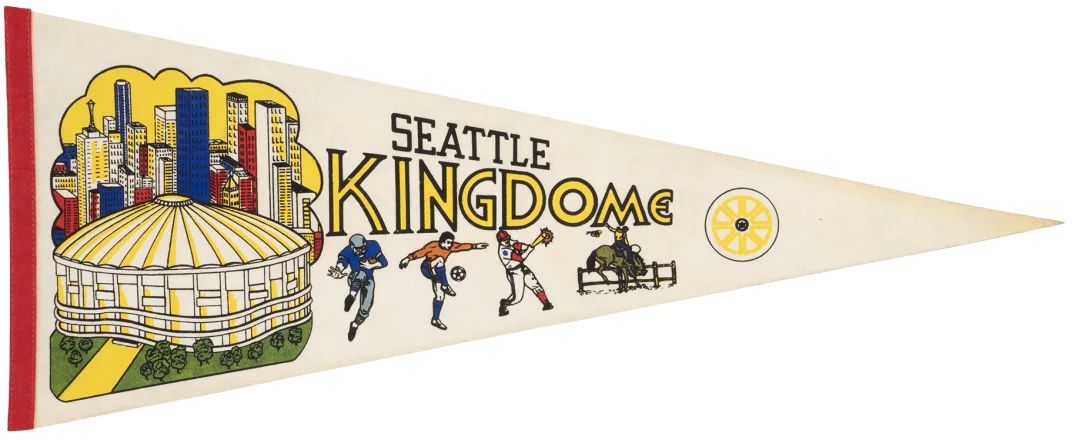
Then came the Kingdome. Before it was built, one proposal called for a floating stadium out on Elliott Bay, complete with monorail access and a ferry dock. The city got concrete instead, and with it the Seahawks and the Mariners in short order. It was dreary, and it occasionally dropped ceiling tiles, but it made Seattle a big league town.
Losses and arrivals
The Storm debuted in the WNBA in 2000 and built an identity entirely their own behind Lauren Jackson and Sue Bird. Eight years later, the Sonics left for Oklahoma City, a departure the city has never fully gotten over. The Reign launched in 2013 as a founding club in the National Women’s Soccer League and have since played in four stadiums under three ownership groups, collecting three shields for the league’s best regular-season record along the way.
Where things stand now
The Kraken arrived in 2021 to plenty of skepticism, some of it about the name, and answered it by building something new rather than trying to replace what was lost. They reached the playoffs in their second season. Then in 2025, the Torrent drew more than 16,000 fans to their first home game, the largest crowd for a women’s hockey game in United States history.
Seattle, it turns out, is a hockey town now.
The part that sticks
What stands out looking back is how much of this history is geographic. A racetrack in Renton became a soccer training facility. A domed stadium remade an entire district south of downtown. Arenas and ballparks shape the streets around them for decades, long after the teams that filled them have moved on.
This post was based on information found on Seattle Met.




Windermere Real Estate / Capitol Hill, Inc. proudly serves buyers, sellers, and real estate agents throughout the Greater Seattle area.
© 2026 Windermere Real Estate/Capitol Hill, Inc.


